Cash Flow vs. Appreciation: What Owning Both Taught Me
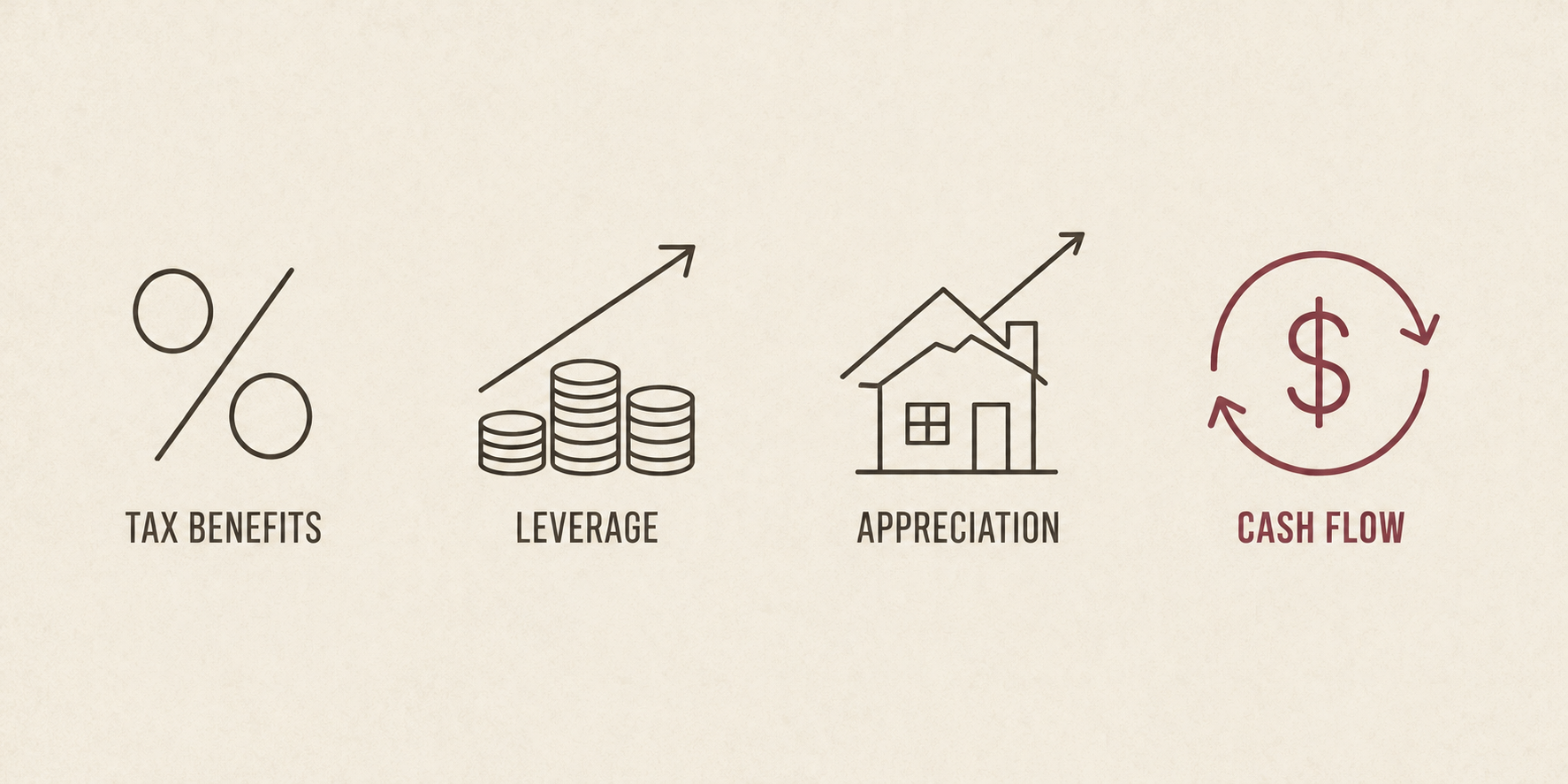
If I am completely honest, my entire investment strategy has been formed through getting my butt destroyed over the past 5 to 6 years. My crash course in long-distance investing still sticks with me to this day. That experience is what pushed me to focus on real estate cash flow going forward. There are four primary ways in which a property can create wealth: Tax benefits, debt/leverage, appreciation, and cash flow. I focus on cash flow. I don’t have a lot of money.
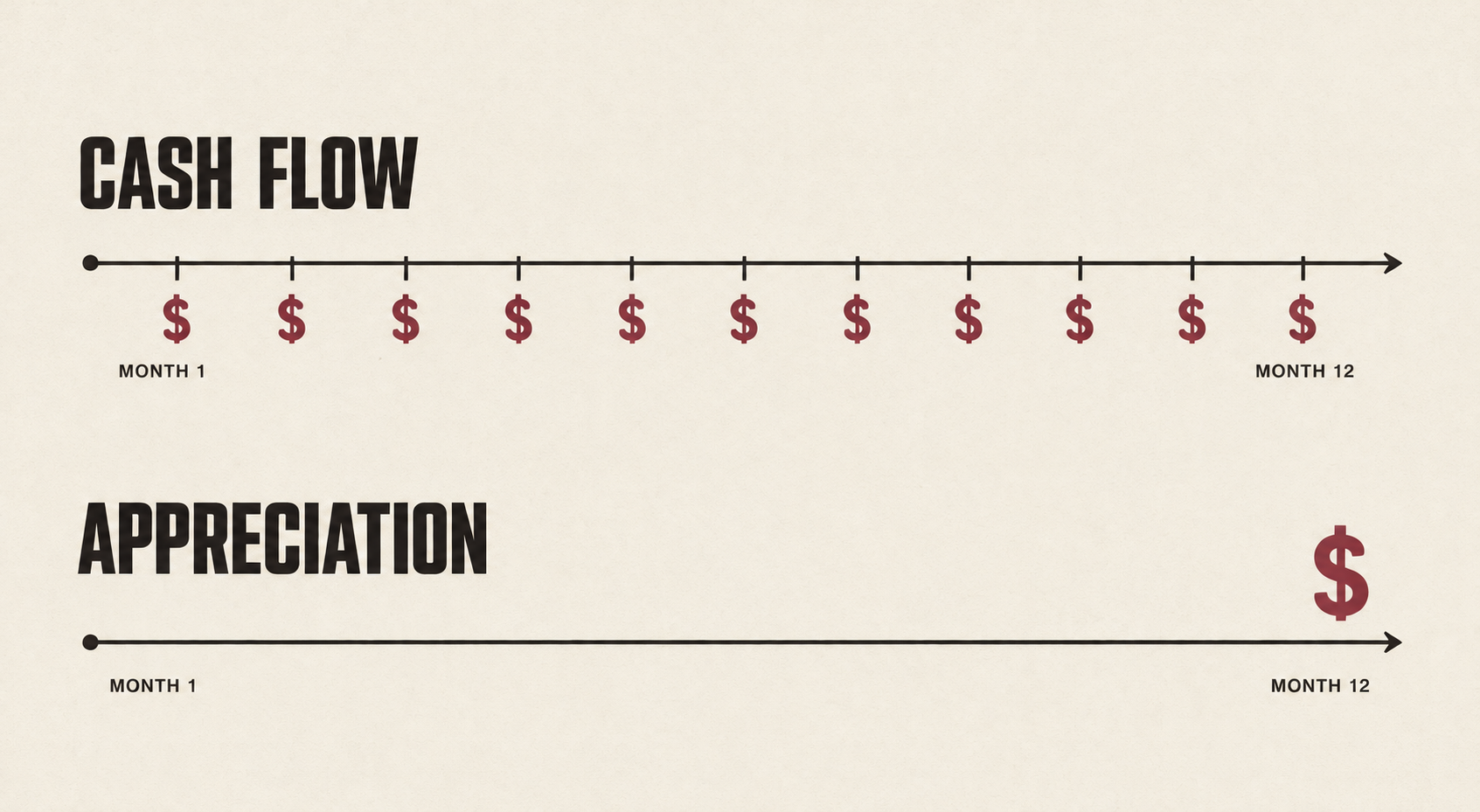
Tax benefits are great, but you don’t just “write them off” as you might hear from some of the internet “gurus” that have probably never put a dollar into a deal. You still must pay for it. Debt/leverage is a great tool and using other people’s money can be powerful; however, if you become too levered, that is when problems compound against you. Appreciation, like tax benefits, is also great. The problem is, you don’t reap the benefits until 10, 20, or even 30 years down the road. While there are four wealth generating mechanisms, we will only be focusing on two.
What Real Estate Cash Flow Actually Means
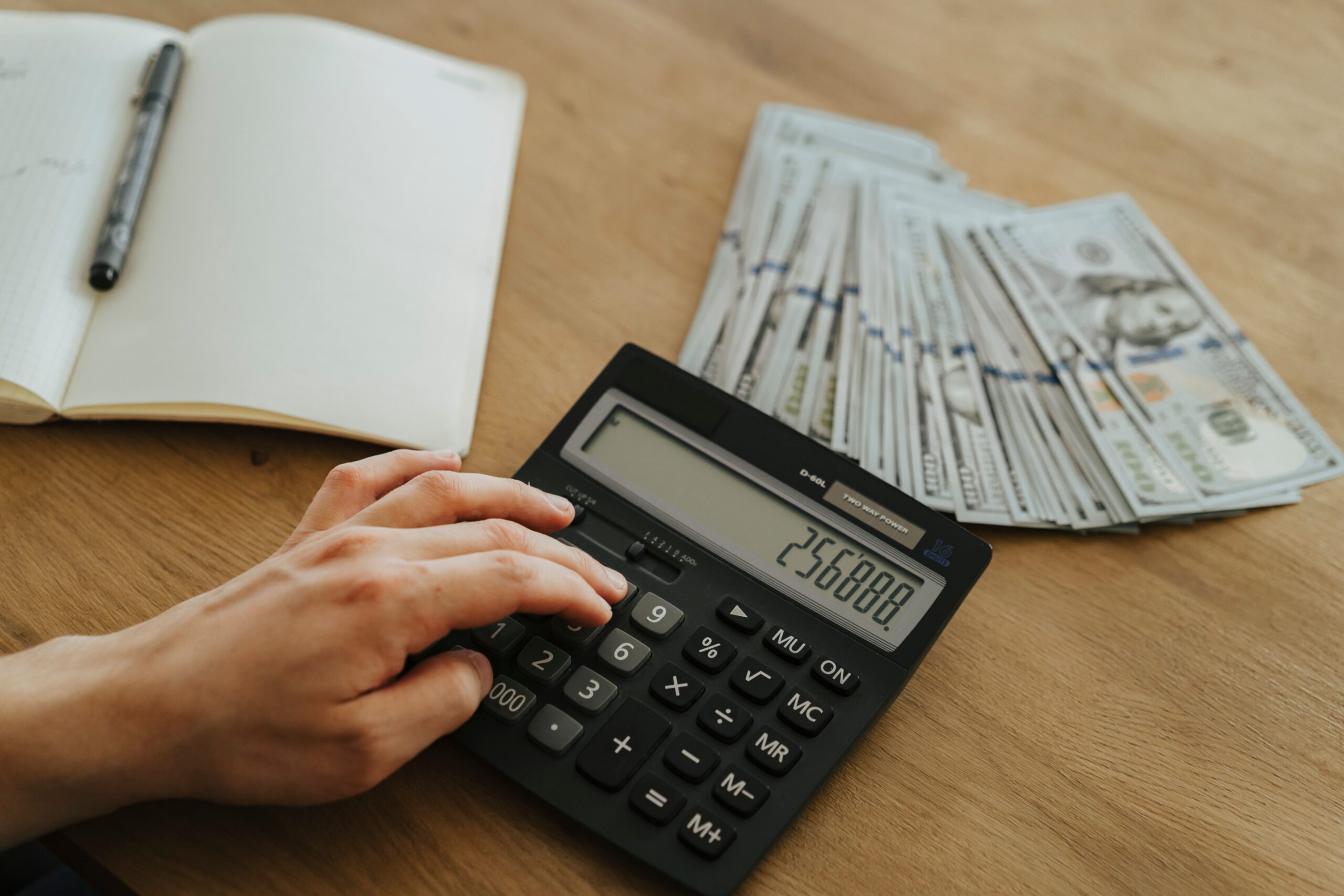
You want money today, not in the future. What is real estate cash flow? Cash flow is the money that is leftover after paying all expenses and tracked monthly. If you make no money, that is cash flow neutral. If you lose money, that is cash flow negative. If you make money that you can put in your pocket, that is cash flow positive.
To be cash flow positive, you MUST be able to cover all your expenses. This includes, but is not limited to the mortgage, taxes, insurance, maintenance, management fees, vacancy, and apps and tools used to manage your property. Generally, you pay these (or capture the expenses) monthly. Operating your property under a cash flow positive model allows for options and safety, when the economic environment is irregular.
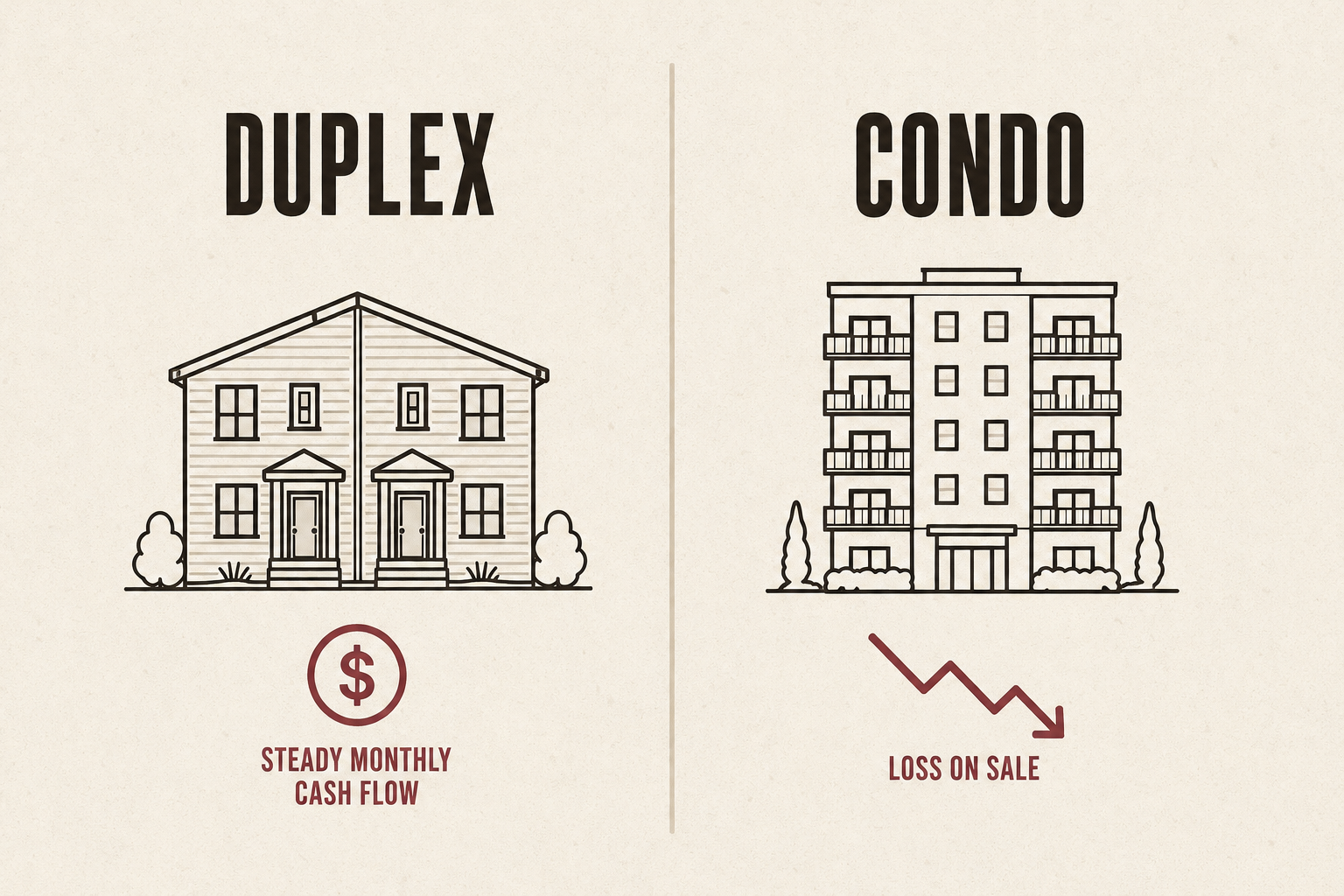
Right now, our duplex operates on a cash flow positive basis. After all our expenses, it generates an additional $1,300 to $600 per month. This allows us to put money aside for renovations (CapEx), cash reserves, or if we wanted to (and my wife Thais does) go on a vacation. A vacation would require me to relax and turn my brain off, I am not very good at that. But, with the duplex being cash flow positive, I can buy peace of mind by putting money aside into savings. This adds a layer of protection and gives us time to figure things out instead of having to rush to make a decision. To me, there is nothing that beats cash flow; however, appreciation is another critical aspect of how real estate generates wealth.
What Real Estate Appreciation Actually Means
If cash flow is money now, appreciation is money tomorrow. Real estate appreciation is the value of the property going up over time. With my incidental landlord situation, we got caught in an artificially accelerated period of depreciation, one of the strange side effects of Covid, that pushed us from selling to renting instead. We ended up okay in the end, but that recovery was just as artificially accelerated as the drop had been.
Covid was most certainly a strange economic time. World economies were shutdown and markets acted unpredictably. While that experience has had a massive impact on me and how I view real estate, it is important for me to remind myself that appreciation is one of the four pillars of generating wealth through real estate investing. When we were looking to sell, we expected to sell for more than what we purchased it for. Unfortunately, that isn’t always true and with it, you’re betting on someone else’s future decision and not operational efficiencies.
Appreciation is very dependent upon location. The things that make a location look great today, growing population, job opportunities, etc., can change over time. It doesn’t fluctuate like it did during Covid, but you’re taking an (educated) guess as to what someone else will be willing to purchase your property in 5, 10, 50 years down the road. When you do your due diligence, it is important that you have an idea of how long you will hold onto a property and what the economic outlook for the area is. That will help you derive your assumptions of appreciation between time of purchase and sale, which is critical in deriving your pro forma or financial “what-if” outlook.
The Real Tradeoff: Real Estate Cash Flow vs. Appreciation
There is no right or wrong between an investor’s decision to focus on real estate cash flow or appreciation. They’re both critical in determining the financial future of the property and the owner. People could argue that if you have a job, appreciation is better. On the flip side, cash flow is better if you don’t have a job. The answer is yes.
When assessing a real estate investment, you can’t buy for one or the other. If the property doesn’t appreciate, the value (rent) won’t go up. If a property consistently produces negative cash flow, it makes it very hard to add value (renovate/maintain). You can’t just pick one or the other. Understanding where you are financially, where you want to go, the level of involvement you want, and your knowledge will factor into which one you prioritize. There is no winner, there is only a loser: buying a property for one, but not the other.
How I Think About Rental Property Returns Now
As you might have guessed, I am heavier on cash flow. I know you probably didn’t see that one coming. My condo in downtown San Diego has played a critical role in how I view real estate. It has had a heavy influence on what I write and talk about here, and the same goes for how I look at investing in real estate. That’s not wrong, it’s my story. Calling it out is good for me, because now I know what my comfort is: cash flow. I can’t make a decision purely based on cash flow, but I must include appreciation. Another great way to look at is, what are you hiring the property to do?
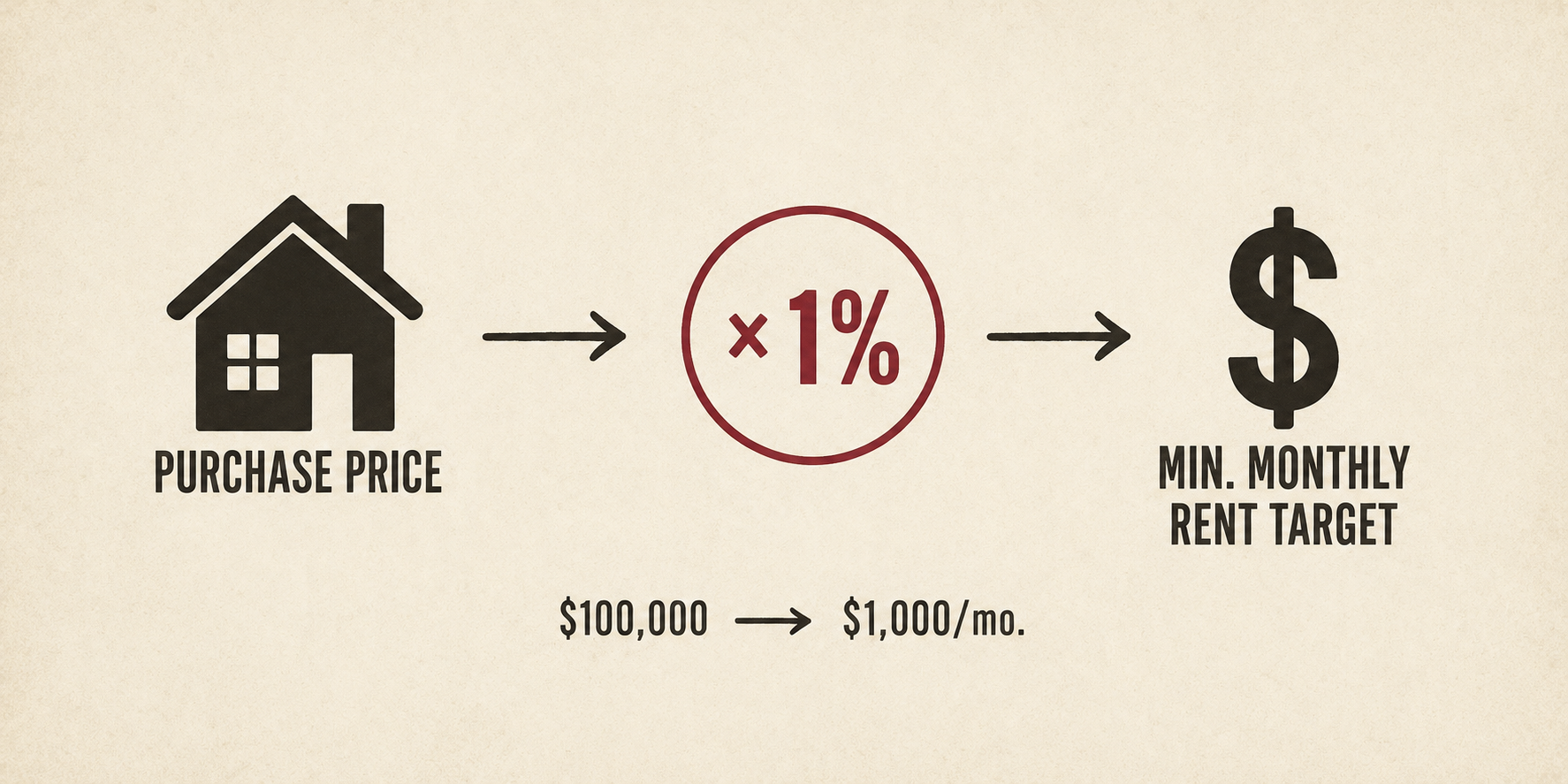
Just because you hired someone for their current skills doesn’t mean you didn’t hire for potential. While I might currently be hiring a property for cash flow, I must make sure that it will appreciate. Cash flow buys me time and reinvestment. Appreciation buys me value. Every time I evaluate a property, I take both factors into account. A great rule of thumb for cash flow is the 1% rule.
One simple trick to quickly determine if a property is worth your time is the 1% rule. It allows you to quickly assess how a property will perform in terms of cash flow. What it’s doing is defining, based on 1% of the purchase price, what you should be getting as rental income. So, if a property is $100,000, it should be making $1,000, at a minimum, for the property to make sense in terms of cash flow. Now, this isn’t a replacement for completing a pro forma, but it is a quick way that I gauge if a property is worth more of my time. It’s gotten tougher to find properties that clear this bar with today’s rates and prices, but it’s still the fastest first filter I know.
The duplex and the condo taught me the same lesson from opposite directions. One paid me every month and never asked for anything else. The other made me wait for a payoff that never showed up on my schedule. I don’t regret owning either one. I regret not knowing, going in, which job I was hiring each property to do. That all starts with understanding your investment style and due diligence.
Come Build With Me
Not sure what you’re hiring a property to do? Reach out and let’s figure out which direction fits you. Follow along so we can build wealth together, one brick at a time.
Photo by Olia Danilevich / Pexels
This post may contain affiliate links, meaning I may earn a small commission if you make a purchase through them, at no extra cost to you.
I’m sharing my own experience as a real estate investor, not professional financial or investment advice — always do your own research before making decisions with your money.